The Paul Soros Fellowship 2026 is not just another scholarship—it is one of the most prestigious US graduate scholarships designed specifically for New Americans, including immigrants and children of immigrants.
Every year, only about 30 fellows are selected, making it one of the most competitive fully funded scholarships in the USA for immigrants and refugees in 2026.
What makes this fellowship powerful is not just financial support but the recognition of leadership, resilience, and contribution to American society.
If you are wondering how to stand out in such a competitive pool, this guide reveals 9 powerful secrets to help you win.

Paul Soros Fellowship 2026 Eligibility Requirements for New Americans
The Paul & Daisy Soros Fellowship 2026 eligibility requirements for New Americans are strict but fair. The program focuses on identity, achievement, and potential.
Who is considered a “New American”?
You must fall into one of these categories:
- Naturalized US citizens (immigrants)
- Children of naturalized citizens
- Green card holders
- Refugees or asylum recipients
Core eligibility criteria include:
- Age below 30 (typical range, exceptions exist)
- Planning to pursue a full-time graduate degree in the US
- Strong academic record
- Leadership and impact in community or field
- Commitment to “giving back” to American society
Key Insight:
The fellowship is not just academic—it values story, identity, and contribution more than perfect grades.
Paul Soros Fellowship 2026 Application Process and Deadline Strategy
Understanding the deadline and application process for Paul Soros Fellowship 2026 for international students is critical.
Official details are available here:
Paul & Daisy Soros Fellowship – Application Process 2026/2027
https://pdsoros.org/application-process/
Application Steps:
- Create online profile
- Submit academic records
- Provide personal statement essays
- Upload recommendation letters
- Submit proof of immigration background
- Complete interview stage (if shortlisted)
Key Application Components:
- Personal narrative essay
- Career and impact essay
- Recommendation letters (very important)
- Academic transcripts
Important:
Late applications are not accepted. The fellowship typically opens in mid-year and closes in fall.
9 Powerful Secrets to Win the Paul Soros Fellowship 2026
Now let’s break down the real strategy behind success.
Secret 1: Master Your New American Identity Story
Your identity is your strongest asset.
Successful applicants:
- Clearly explain their immigrant journey
- Highlight struggles and transformation
- Connect personal story to national contribution
The selection committee values authenticity over perfection.
Secret 2: Build a Leadership Narrative, Not Just Achievements
Instead of listing achievements, show impact:
- Did you lead a project?
- Did you improve your community?
- Did you solve a real problem?
Leadership is measured by impact, not titles.
Secret 3: Align Your Goals with US National Impact
The fellowship wants future leaders who will shape America.
Strong applicants show:
- Public service goals
- Innovation in STEM, law, medicine, or arts
- Social impact vision
Secret 4: Craft a Powerful Personal Essay
Your essay should:
- Tell a story, not just facts
- Show emotional depth
- Demonstrate resilience
Avoid:
- Generic academic language
- Overused scholarship phrases
Secret 5: Choose Strong Recommendation Letters
Your referees must:
- Know you deeply
- Speak about your leadership
- Provide specific examples
Weak letters = automatic disadvantage.
Secret 6: Highlight Academic Excellence Strategically
Even though it is not purely academic, you must show:
- Strong GPA (if available)
- Competitive coursework
- Research or publications (if applicable)
Secret 7: Demonstrate Long-Term Vision
The fellowship is about the future.
Ask yourself:
- Where will you be in 10 years?
- How will you contribute to society?
Secret 8: Show Resilience and Overcoming Challenges
Selection committees love:
- Immigration challenges
- Financial struggles
- Academic barriers overcome
But ensure it is framed positively.
Secret 9: Apply Early and Review Thoroughly
Early application allows:
- Time for revisions
- Stronger essay editing
- Better recommendation coordination
Comparison Table: Strong vs Weak Paul Soros Fellowship 2026 Applications
| Criteria | Strong Application | Weak Application |
|---|---|---|
| Personal Story | Clear immigrant identity with depth | Generic biography |
| Leadership | Real-world impact and initiatives | Only titles and positions |
| Essays | Emotional, structured storytelling | Technical and flat writing |
| Recommendations | Specific and detailed | Vague praise |
| Vision | Clear 10-year plan | Unclear career direction |
US Graduate Scholarships vs Paul Soros Fellowship 2026
The Paul Soros Fellowship 2026 stands out among other US graduate scholarships because:
- It is identity-based (New Americans only)
- It is fully funded
- It includes leadership recognition
- It has lifetime networking benefits
Unlike general scholarships, it focuses heavily on personal transformation stories.
How to Apply for Soros Fellowship for Graduate Study in the USA 2026
To succeed in how to apply for Soros Fellowship for graduate study in the USA 2026, follow this structure:
- Prepare early (6–12 months ahead)
- Draft essays repeatedly
- Seek mentorship from past fellows
- Review official criteria carefully
Learn more here:
https://pdsoros.org/eligibility/
Fully Funded Scholarships in USA for Immigrants and Refugees 2026
The Soros Fellowship is among the most competitive fully funded scholarships in USA for immigrants and refugees 2026, alongside:
- Fulbright Program
- Knight-Hennessy Scholarship
- AAUW Fellowships
However, Soros remains unique because it is exclusive to New Americans.
Common Mistakes to Avoid in Soros Fellowship 2026 Application
- Writing generic essays
- Ignoring personal storytelling
- Weak recommendation letters
- Missing deadlines
- Not aligning goals with US impact
Pro Tips to Increase Your Winning Chances
- Start application early
- Get feedback from mentors
- Practice interview responses
- Focus on storytelling clarity
- Highlight immigrant journey strongly
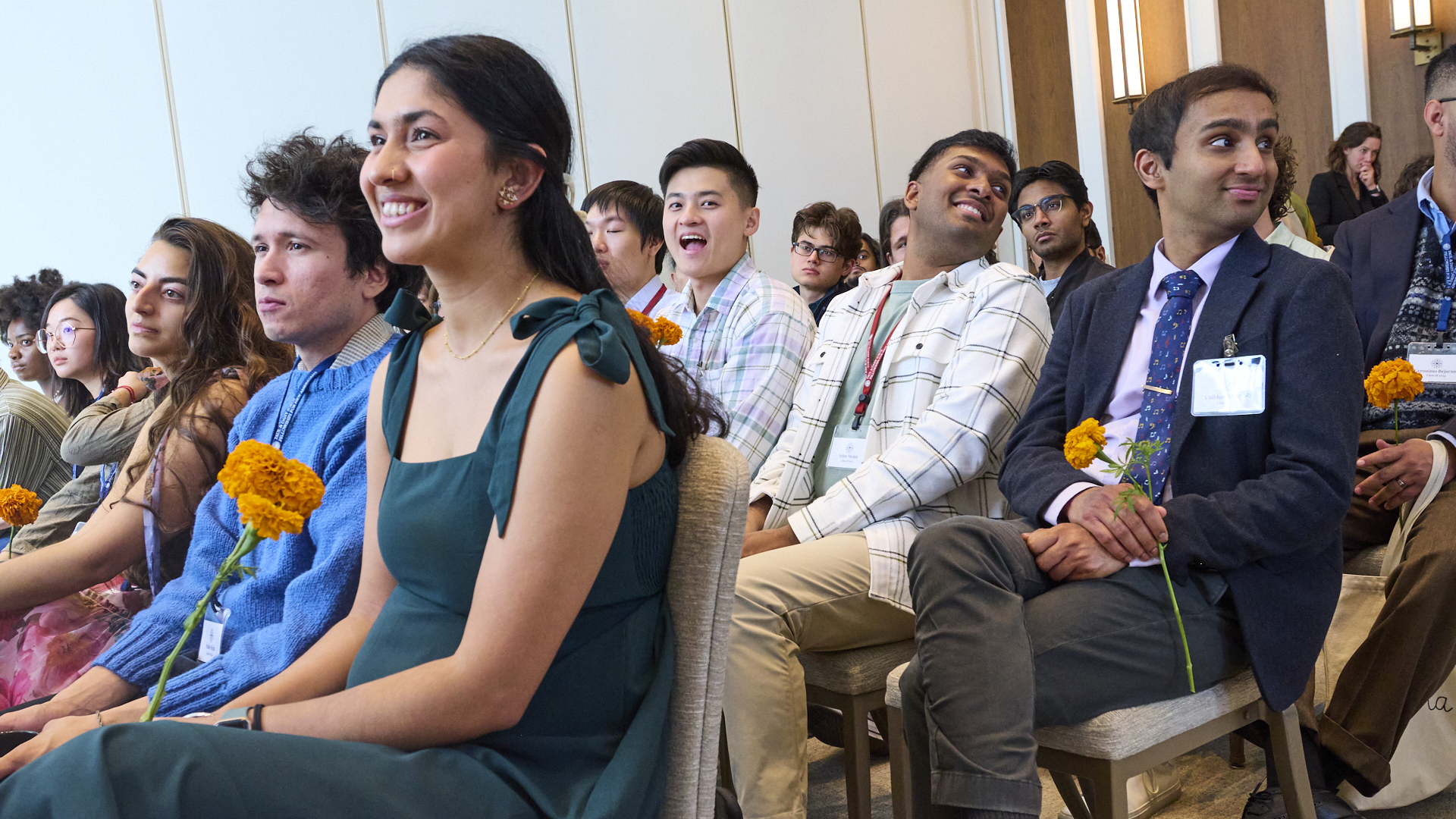
Paul Soros Fellowship 2026 Interview Process: What to Expect and How to Prepare for Success
The Paul Soros Fellowship 2026 interview process is one of the most decisive stages in the entire selection journey. While many applicants focus heavily on essays and academic records, the interview is where the selection committee evaluates something deeper—your authentic voice, clarity of purpose, and long-term impact as a New American.
If you have reached this stage, it already means your application is exceptional. However, the interview is where finalists are separated from fellows.
Understanding the Paul Soros Fellowship 2026 Interview Structure
The interview is typically conducted for shortlisted applicants who have demonstrated strong alignment with the fellowship’s mission. It is not a casual conversation—it is a structured evaluation of your identity, goals, and leadership potential.
What the interview usually focuses on:
- Your personal immigrant or New American journey
- Leadership experiences and real-world impact
- Academic and professional goals
- Long-term vision for contributing to the United States
- Clarity and authenticity of your personal story
Unlike traditional academic interviews, the Paul Soros Fellowship 2026 interview process is deeply narrative-driven.
Common Paul Soros Fellowship 2026 Interview Questions
Although questions may vary each year, successful applicants often report similar themes:
1. Personal Identity and Background
- How has your immigrant or New American experience shaped you?
- What challenges did you face growing up or adapting to a new country?
2. Academic and Career Direction
- Why did you choose your field of study?
- How does your graduate study connect to your long-term goals?
3. Leadership and Impact
- Describe a time you led a project or initiative.
- What is the most meaningful impact you’ve made in your community?
4. Future Contribution
- How do you plan to contribute to American society after your studies?
- What problems do you want to solve in the next 10–20 years?
These questions are designed not to test memorization, but to understand your purpose and direction in life.
How to Prepare for the Paul Soros Fellowship 2026 Interview
Preparation is not about rehearsing scripted answers—it is about building a strong, coherent personal narrative.
1. Refine Your Immigrant Story
Your story should be:
- Clear
- Honest
- Emotionally grounded
- Connected to your academic journey
Avoid exaggeration. The committee values authentic lived experience over polished storytelling.
2. Connect Your Past, Present, and Future
A strong answer structure should show:
- Past: Your background and challenges
- Present: Your achievements and current goals
- Future: Your long-term impact vision
This “timeline method” helps interviewers see consistency in your ambition.
3. Practice Clear and Confident Communication
The interview panel looks for:
- Clarity of thought
- Structured responses
- Calm and confident delivery
You should practice speaking out loud rather than just writing answers.
4. Understand the Fellowship’s Core Mission
Before your interview, revisit what the fellowship stands for:
- Supporting New Americans
- Building future leaders in the US
- Encouraging public impact and service
If your goals align with this mission, you are already halfway prepared.
5. Avoid Over-Polished or Memorized Answers
One of the biggest mistakes applicants make is sounding rehearsed.
Instead:
- Speak naturally
- Pause when thinking
- Be honest if you don’t have a perfect answer
The committee prefers real people over perfect speeches.
Pro Interview Strategy: The STAR Method for Soros Fellowship Success
You can structure answers using the STAR framework:
- S – Situation: Describe the context
- T – Task: Explain your responsibility
- A – Action: What you specifically did
- R – Result: What changed because of your action
This method works especially well for leadership and impact questions.
Insight: What Really Wins the Soros Fellowship Interview
At its core, the Paul Soros Fellowship 2026 interview process is not about proving you are the smartest candidate—it is about proving you are:
- Purpose-driven
- Deeply self-aware
- Committed to contributing to society
- Able to turn personal experience into leadership impact
If your story is clear, your vision is strong, and your communication is authentic, the interview becomes an opportunity—not a barrier.
Key Takeaway
Do not try to “impress” the panel. Instead, focus on expressing your real journey and future mission with clarity and confidence.
Winning Profile Breakdown: Real Traits of Past Paul Soros Fellows You Should Emulate in 2026
To understand how to win the Paul Soros Fellowship 2026, it helps to look beyond the application form and study something far more important—the profile pattern of past fellows. Every year, only a small group of New Americans are selected, but their stories reveal clear and repeatable traits that consistently stand out.
If you are serious about securing this New American scholarship, this breakdown will show you exactly what the selection committee tends to value in real winners.
What Makes a Paul Soros Fellow Stand Out in 2026?
Past fellows are not chosen randomly. They represent a balance of:
- Academic excellence
- Leadership in real-world settings
- Deep personal identity and resilience
- Long-term commitment to public impact in the United States
The key idea is simple:
The fellowship selects future nation-builders, not just high-achievers.
1. Strong and Authentic New American Identity
One of the most consistent traits among past fellows is a clearly defined immigrant or New American story.
Successful applicants usually:
- Came from immigrant or refugee backgrounds
- Faced cultural, financial, or educational transitions
- Developed resilience through real-life challenges
But what matters most is not the struggle itself—it is how the story is framed.
What winning applicants do differently:
- They connect their identity to purpose
- They explain how their background shaped their goals
- They show how their experience benefits the United States
This is central to the Paul & Daisy Soros Fellowship 2026 eligibility requirements for New Americans.
2. Leadership That Goes Beyond Titles
A common misconception is that leadership means holding positions like “president” or “founder.” However, past fellows show something deeper.
Winning leadership traits include:
- Initiating community projects without formal authority
- Solving real problems in healthcare, education, law, or technology
- Leading through innovation, not just hierarchy
- Creating measurable social impact
Example Pattern:
Instead of saying:
- “I was the leader of a student group”
Successful fellows say:
- “I built a program that increased access to education for underserved students”
This difference is often what separates finalists from selected fellows.
3. Academic Excellence with Purpose
Yes, academics matter—but not in isolation.
Past fellows typically show:
- Strong academic performance
- Research experience or professional excellence
- Clear connection between study and impact goals
However, what truly stands out is purpose-driven academics.
Winning pattern:
- They don’t just study for grades
- They study to solve real-world problems
For example:
- A medical student focused on improving immigrant healthcare access
- An engineering student building sustainable technology for underserved communities
This alignment is critical for US graduate scholarships like Soros.
4. Clear Long-Term Vision for the United States
One of the strongest traits of selected fellows is a well-defined future plan.
They are not vague about their goals. Instead, they can clearly explain:
- What field they will enter
- What problem they want to solve
- How their work will benefit American society
Winning vision structure:
- Short-term: Graduate study and skill development
- Mid-term: Professional contribution in their field
- Long-term: National or global impact
This is why the Soros Fellowship 2026 heavily favors applicants with direction and clarity.
5. Emotional Intelligence and Self-Awareness
Beyond achievements, successful fellows demonstrate strong emotional intelligence.
They are able to:
- Reflect on their journey honestly
- Understand their strengths and weaknesses
- Communicate experiences with maturity
Key behavioral pattern:
They do not present themselves as “perfect success stories.”
Instead, they show growth through struggle.
This makes their application feel:
- Human
- Relatable
- Trustworthy
Comparison Table: Average Applicant vs Winning Soros Fellow Profile
| Category | Average Applicant | Winning Fellow Profile |
|---|---|---|
| Identity Story | Generic immigrant background | Deep, reflective New American journey |
| Leadership | Holds positions | Creates real-world impact |
| Academics | Grade-focused | Purpose-driven learning |
| Vision | Unclear or broad | Specific long-term impact plan |
| Communication | Rehearsed | Authentic and self-aware |
6. Commitment to Public Service and Impact
A defining trait among fellows is a strong commitment to giving back.
They consistently show:
- Interest in public service
- Desire to improve systems (health, education, justice, etc.)
- Passion for solving societal problems
This aligns directly with the mission of the fellowship:
Building leaders who contribute meaningfully to the United States.
Insight: What You Should Emulate in 2026
If you are applying for the Paul Soros Fellowship 2026, your focus should not just be on writing a strong application—it should be on building a strong personal profile over time.
To increase your chances, you must emulate:
- A powerful and authentic New American identity
- Real leadership backed by impact
- Academic work tied to purpose
- A clear and realistic future vision
- Emotional depth and self-awareness
Key Takeaway
Winning the Paul Soros Fellowship 2026 is not about being the “best student.”
It is about being the most compelling future leader with a meaningful American impact story.
Paul Soros Fellowship 2026 Application Strategy: Step-by-Step Blueprint to Build a Winning Submission
The Paul Soros Fellowship 2026 application process is not just about filling forms—it is about strategically presenting your identity, achievements, and future vision in a way that aligns with what the selection committee values most in New Americans.
Many strong candidates lose out not because they are unqualified, but because they fail to structure their application as a cohesive, powerful narrative. This section breaks down a practical, step-by-step blueprint to help you approach the process like a successful fellow.
Understanding the Paul Soros Fellowship 2026 Application Structure
Before strategy, you must understand what you are actually submitting.
A typical application includes:
- Personal background and identity information
- Academic transcripts and records
- Personal statement essays
- Leadership and impact descriptions
- Recommendation letters
- Graduate study plans
Each section is interconnected, meaning your application should feel like one consistent story—not separate documents.
Step 1: Build Your Core Narrative Before Writing Anything
The biggest mistake applicants make is starting with essays too early.
Instead, begin with your core narrative framework:
Your narrative should answer 3 questions:
- Who are you as a New American?
- What shaped your journey?
- What impact do you want to create in the United States?
Once this is clear, every part of your application becomes easier to write.
This is central to succeeding in the how to apply for Soros Fellowship for graduate study in the USA 2026 process.
Step 2: Craft a Powerful Personal Statement That Tells a Story
Your personal statement is not a biography—it is a story of transformation and purpose.
Strong essay structure:
1. Opening Hook (Identity Moment)
Start with a defining experience:
- Immigration journey
- Cultural transition
- Life-changing challenge
2. Development (Growth Phase)
Show how you evolved:
- Education
- Leadership
- Key experiences
3. Turning Point (Impact Realization)
Explain what changed your direction:
- A problem you identified
- A community need
- A personal realization
4. Future Vision
Clearly explain:
- What you will study
- What you will contribute
- How the US benefits from your work
This structure is essential for all US graduate scholarships, especially Soros.
Step 3: Highlight Leadership Through Real Impact Evidence
Do not simply state leadership—prove it.
Weak example:
- “I led a student organization”
Strong example:
- “I created a mentorship program that supported 50+ immigrant students in adapting to university life”
What you should include:
- Numbers (people impacted, projects completed)
- Real outcomes
- Problems solved
This is one of the strongest signals of success in the Paul Soros Fellowship 2026 eligibility requirements for New Americans evaluation process.
Step 4: Choose Recommendation Letters Strategically
Your recommendation letters can significantly strengthen or weaken your application.
Ideal recommenders:
- Professors who supervised your research
- Employers who saw your leadership firsthand
- Mentors who know your personal growth journey
What strong letters include:
- Specific examples of your work
- Clear explanation of your leadership
- Personal insights into your character
Avoid generic letters at all costs.
Step 5: Align Your Graduate Study Plan with Impact Goals
The fellowship is not just funding education—it is funding future impact.
Your study plan must clearly show:
- Why your chosen field matters
- How your studies connect to your future goals
- How your work benefits society
Example:
- Medicine → improving immigrant healthcare access
- Engineering → solving infrastructure or sustainability challenges
- Law → advancing justice and equality systems
Step 6: Demonstrate Long-Term Vision Beyond Graduate School
Many applicants focus only on getting accepted into a university.
However, winners of the Soros Fellowship 2026 go further.
Strong vision includes:
- 5-year career direction
- 10–20 year societal impact goal
- Contribution to the United States
This shows you are not just thinking short-term—you are thinking like a future leader.
Step 7: Edit Ruthlessly and Refine Your Application
Even strong ideas can fail if poorly presented.
Editing checklist:
- Is every sentence necessary?
- Does your story flow logically?
- Is your message clear to a non-expert reader?
- Does your application feel cohesive?
Simplicity and clarity often outperform complexity.
Application Flow Summary Table
| Stage | What You Do | Key Focus |
|---|---|---|
| Preparation | Build core narrative | Identity + purpose |
| Essay Writing | Tell transformation story | Impact + leadership |
| Documentation | Gather transcripts & records | Academic strength |
| Recommendations | Select strong referees | Credibility + validation |
| Final Review | Edit and refine | Clarity + consistency |
Common Mistakes to Avoid in Soros Fellowship 2026 Application
- Starting essays without a clear narrative
- Writing generic leadership descriptions
- Weak or vague recommendation letters
- No clear long-term vision
- Overcomplicated storytelling
Insight: Winning Is About Strategy, Not Just Strength
The Paul Soros Fellowship 2026 application process rewards applicants who present themselves strategically.
Even highly talented candidates fail because they do not:
- Connect their story clearly
- Show consistent impact
- Align with the fellowship mission
If you treat your application like a carefully built narrative of identity, leadership, and future contribution, you position yourself as a strong contender for this prestigious New American scholarship.
Key Takeaway
Success in the Soros Fellowship is not just about what you have done—it is about how clearly and powerfully you communicate your journey and future impact.
Conclusion: Your Path to Winning the Paul Soros Fellowship 2026
The Paul Soros Fellowship 2026 is more than financial support—it is a recognition of identity, leadership, and vision.
If you understand the 9 powerful secrets, build a strong narrative, and position yourself as a future leader, your chances increase significantly.
The journey is competitive, but for those who prepare strategically, it is absolutely achievable.
Final Thought
Winning this fellowship is not about being perfect—it is about being purpose-driven, authentic, and impactful.
Leave a Reply